Have you ever heard someone say “Let’s grab sushi” and wondered what the word actually means?
Most people know sushi as a popular Japanese food, but the meaning goes deeper than just rice and fish. The word carries culture, tradition, emotions, and even modern internet vibes.
In this guide, you’ll learn the real meaning of “sushi” in simple English with fun examples, online slang use, and cultural insights that actually make sense.
What Is the Pronunciation of Sushi?
Sushi is pronounced like this:
“SOO-shee”
The first part sounds like “zoo” but with an “s,” and the second part sounds like “she.”
Simple Pronunciation Guide
| Word | Sounds Like |
| Sushi | Soo-shee |
A lot of English speakers pronounce it correctly already, so don’t stress too much.
What Does Sushi Mean? (Direct Answer)
Sushi is a traditional Japanese dish made with vinegared rice, usually served with seafood, vegetables, or seaweed.
But the word “sushi” actually refers to the seasoned rice, not the fish.
That surprises many people because most think sushi simply means raw fish.
Meaning and Definition of Sushi
In simple terms, sushi is:
A Japanese food dish made with specially prepared rice and different toppings or fillings.
These toppings can include:
- Raw fish
- Cooked seafood
- Vegetables
- Egg
- Avocado
- Seaweed
Some sushi is raw, while some is fully cooked.
Quick Example
If someone says:
“I’m craving sushi tonight.”
They usually mean they want Japanese-style sushi rolls or sushi dishes.
The Background and Origin of Sushi
Sushi started in Japan hundreds of years ago, but its earliest form came from Southeast Asia.
Originally, fish was preserved using fermented rice. Over time, Japanese culture changed the recipe into the sushi we know today.
Modern sushi became popular in the 1800s in Japan. Later, it spread across the world through restaurants, anime, food blogs, and social media.
Today, sushi is loved almost everywhere — from family dinners to TikTok food videos.
Why Is Sushi So Popular?
There are a few reasons why sushi became globally famous:
| Reason | Why People Love It |
| Taste | Fresh and flavorful |
| Presentation | Looks aesthetic and colorful |
| Variety | Many options for different diets |
| Social Media | Instagram and TikTok made it trendy |
| Experience | Feels fun and unique |
For many people, sushi feels like more than food. It feels like an experience.
How to Use the Word Sushi in Different Contexts
The word “sushi” is mostly used when talking about food, restaurants, cravings, or culture.
Casual Conversation
“We ordered sushi after school.”
Funny Context
“I spent all my money on sushi again.”
Romantic Context
“Our first date was at a sushi place.”
Family Context
“My mom finally tried sushi and loved it.”
The word naturally fits into modern conversations because sushi has become part of everyday culture.
Sushi Meanings Across Social Platforms
| Platform | Meaning or Use |
| TikTok | Food trends and mukbang videos |
| Aesthetic food photos | |
| X / Twitter | Funny food opinions or cravings |
| Snapchat | Showing dinner or hangout vibes |
| YouTube | Sushi challenges and recipes |
| Dating Apps | Used to describe favorite food interests |
Sometimes people even use sushi to show personality traits like being adventurous, trendy, or classy.
Real-Life Examples, Chats, and Meme Usage
Text Chat Example
Friend 1: “What should we eat?”
Friend 2: “Sushi sounds perfect.”
Funny Meme Style
“Mentally, emotionally, and financially dependent on sushi.”
Sarcastic Example
“Sure, let’s spend $40 on five tiny sushi rolls.”
Relatable Example
A teenager tries sushi for the first time expecting raw fish only, then realizes there are cooked options too and suddenly becomes obsessed.
That happens more often than you think.
Cultural and Regional Interpretations of Sushi
In Japan, sushi is deeply connected to tradition, skill, and respect for ingredients.
In Western countries, sushi is often more creative and modern.
Japanese Style Sushi
- Simple
- Minimal ingredients
- Focus on freshness
American Style Sushi
- Cream cheese rolls
- Fried sushi
- Spicy sauces
- Large portions
Different cultures have added their own twist, which makes sushi even more interesting.
Different Types of Sushi
| Type | Description |
| Nigiri | Rice topped with fish |
| Maki | Sushi rolls wrapped in seaweed |
| Sashimi | Raw fish without rice |
| Temaki | Hand roll shaped like a cone |
| Uramaki | Inside-out sushi roll |
Many people confuse sashimi with sushi, but they are not exactly the same.
Other Meanings of Sushi
Although sushi mainly refers to food, people sometimes use it in creative or slang-like ways online.
| Meaning | Context |
| Fancy food vibe | Social media captions |
| Personality trait | “Sushi girl” aesthetic |
| Date idea | Romantic planning |
| Trend symbol | Foodie culture |
These meanings are informal and depend on context.
Common Mistakes and Misconceptions
Mistake 1: Sushi Means Raw Fish
This is the biggest misunderstanding.
Sushi actually refers to vinegared rice, not raw fish.
Mistake 2: All Sushi Is Raw
Many sushi dishes are cooked or vegetarian.
Mistake 3: Sushi Is Always Healthy
Some rolls contain fried ingredients, sauces, and extra calories.
Mistake 4: Sushi and Sashimi Are the Same
They are different dishes.
Understanding these differences helps you sound more informed and confident.
The Psychological and Emotional Meaning of Sushi
Food connects strongly with emotions, and sushi is no exception.
For some people, sushi represents:
- Comfort
- Luxury
- Adventure
- Friendship
- Celebration
A sushi dinner can feel exciting because it’s often linked with birthdays, dates, or fun nights out.
That emotional connection is part of why sushi became such a huge trend worldwide.
Similar Terms and Alternatives
| Word | Meaning |
| Sashimi | Raw fish without rice |
| Maki | Rolled sushi |
| Nigiri | Fish on top of rice |
| Bento | Japanese meal box |
| Ramen | Japanese noodle soup |
These foods are related to Japanese cuisine but are not the same thing as sushi.
Is Sushi Offensive or Friendly?
The word “sushi” itself is completely friendly and harmless.
It’s simply the name of a food dish.
However, making disrespectful jokes about Japanese culture or traditions around sushi can feel offensive to some people.
Using the word normally in conversation is perfectly fine.
Grammar and Linguistic Insight
“Sushi” is usually used as a noun.
Examples
- “Sushi is my favorite food.”
- “We ate sushi yesterday.”
Interestingly, the word stays the same in singular and plural contexts.
People say:
- “Let’s eat sushi.”
- Not usually “sushis.”
How to Respond Naturally When Someone Mentions Sushi
Here are some natural responses:
| Situation | Natural Reply |
| Friend invites you | “I’m so down for sushi.” |
| Someone posts sushi pic | “That looks amazing.” |
| First-time sushi eater | “Start with cooked rolls first.” |
| Someone says they hate sushi | “Have you tried non-raw options?” |
These responses sound casual and natural in real conversations.
Sushi in Dating Apps and Online Culture
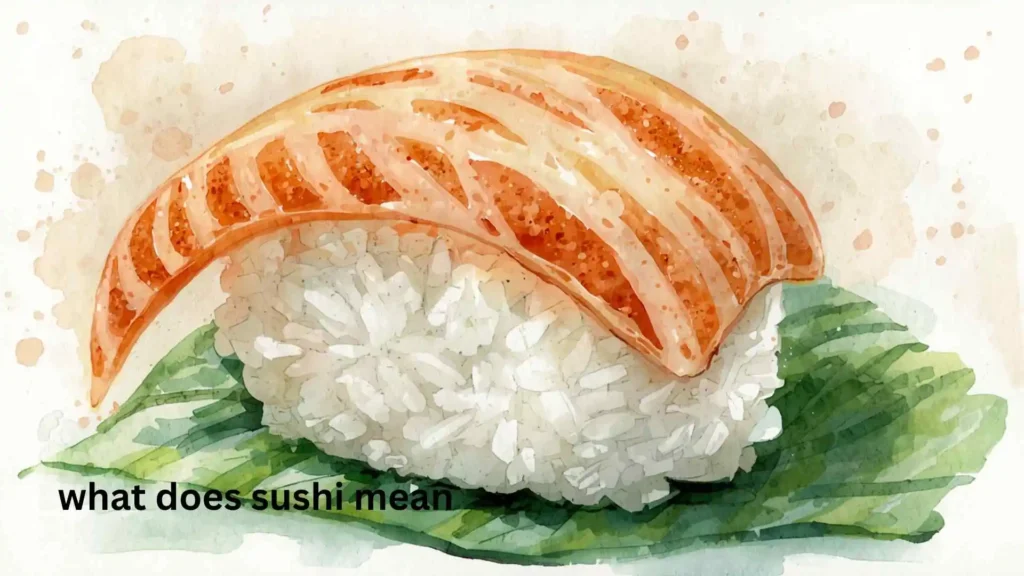
Sushi appears everywhere in online dating culture.
People often mention it in bios because it sounds fun, social, and trendy.
Example Dating Bio
“Powered by coffee and sushi.”
Some people even joke that loving sushi is a universal dating app personality trait.
On TikTok and Instagram, sushi also represents a stylish lifestyle aesthetic.
Differences Between Sushi and Similar Words
| Word | Main Difference |
| Sushi | Vinegared rice dish |
| Sashimi | Raw fish only |
| Ramen | Noodle soup |
| Tempura | Fried seafood or vegetables |
| Poke Bowl | Hawaiian rice bowl with toppings |
This comparison helps clear up common confusion.
Why Sushi Became a Trend
Sushi exploded in popularity because it mixes:
- Taste
- Beauty
- Culture
- Social experiences
Food influencers and viral videos made it even bigger.
Today, sushi is often seen as cool, modern, and Instagram-worthy.
Even people who once feared raw fish now enjoy beginner-friendly sushi rolls.
When NOT to Use the Word Sushi
Avoid using “sushi” incorrectly for every Japanese food.
For example:
- Ramen is not sushi
- Tempura is not sushi
- Sashimi is not always sushi
Also, avoid stereotyping Japanese culture using food jokes.
Respectful use always matters.
“Sushi means a Japanese dish made with vinegared rice, often served with seafood, vegetables, or seaweed.”
Frequently Asked Questions About Sushi
Is sushi always raw fish?
No. Many sushi dishes are cooked or vegetarian.
What does sushi literally mean?
The word refers to vinegared rice used in the dish.
Is sushi Japanese or Chinese?
Sushi is strongly connected to Japanese culture and cuisine.
Can beginners eat sushi?
Yes. Cooked rolls and simple sushi options are beginner-friendly.
What is the difference between sushi and sashimi?
Sushi includes rice, while sashimi is sliced raw fish without rice.
Why do people love sushi so much?
People enjoy the taste, presentation, variety, and social experience.
Conclusion
Sushi is much more than trendy food on social media.
It carries history, culture, emotions, and shared experiences that connect people around the world. Whether you love classic sushi rolls or are still nervous to try your first bite, understanding the real meaning of sushi makes the experience more fun and meaningful.
And honestly, sometimes a simple sushi dinner turns into one of those memories people never forget.
So, what’s your favorite type of sushi — or are you still planning your first try?
Discover More Topics:

Leslie Hall
I write simple, easy-to-understand articles that explain meanings, phrases, and words used in everyday language. My goal is to help readers quickly understand what a term really means without confusion. I enjoy breaking down complex ideas into clear, friendly explanations that anyone can follow. Through my writing, I aim to make learning meanings both useful and enjoyable.
Books by Leslie Hall
-
The Hidden Meanings of Everyday Words
-
Understanding Phrases, Slang, and Expressions